
Every “hidden gems of Malaysia” list eventually points you toward Langkawi’s Sky Bridge or Penang’s street art, then quietly stops. That’s odd, because the quietest, least-photographed beaches in the country aren’t hidden at all. They’re a short flight from Kuala Lumpur, they have names, and almost nobody outside Malaysia has heard of them.
Mantanani, Pulau Tiga, Talang-Satang, These are East Malaysia islands, part of Sabah and Sarawak on the island of Borneo, and they stay quiet less because they’re remote and more because reaching them means learning a small piece of paperwork most travel guides never mention.
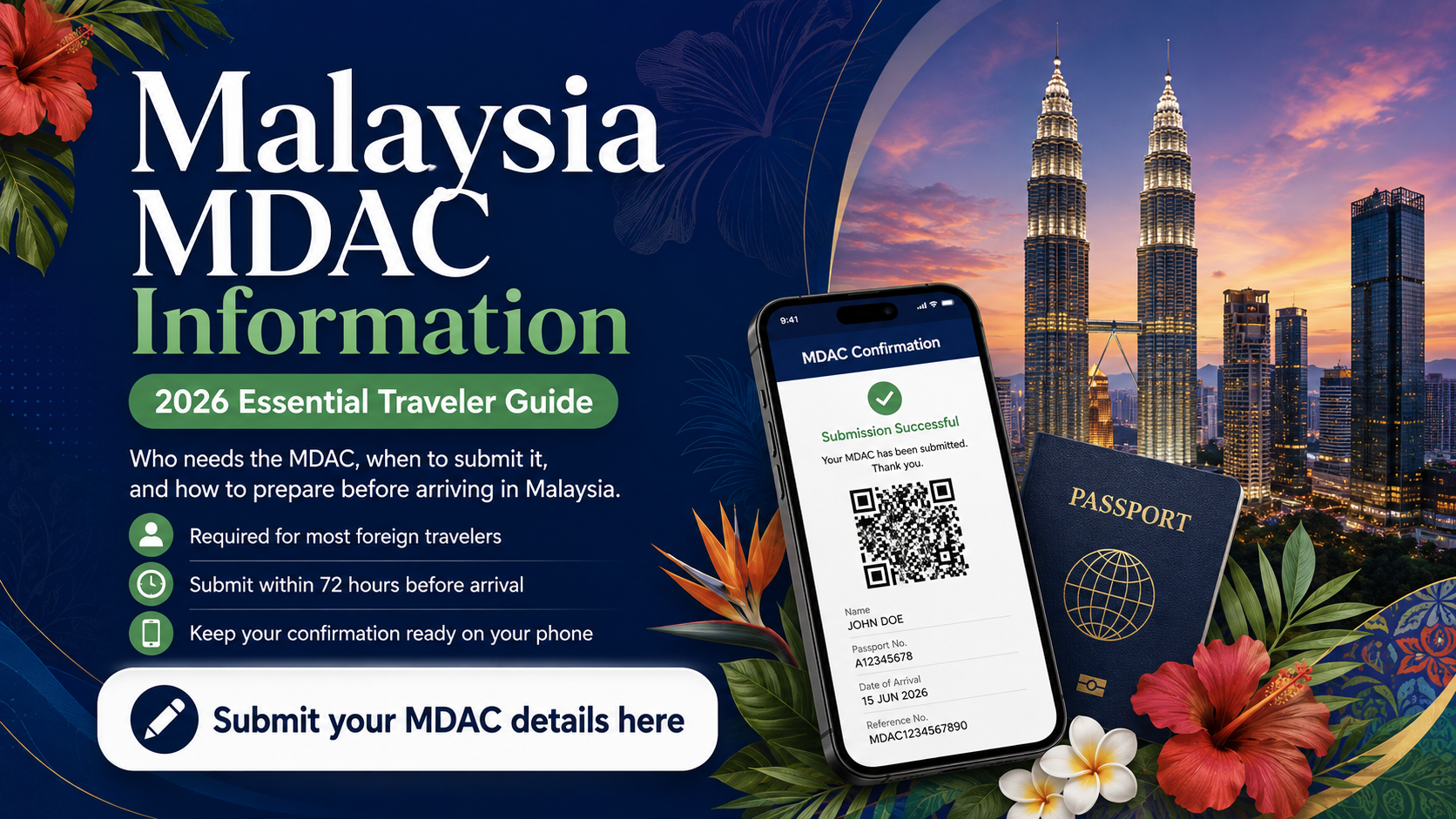
Before any of that, the basics still apply. Every foreign visitor entering Malaysia, whether the first stop is Kuala Lumpur or Kota Kinabalu, needs a Malaysia Digital Arrival Card submitted within three days of arrival. That part doesn’t change no matter which East Malaysia island ends up on the itinerary. What does change, and what catches people out, is what happens next once Sabah or Sarawak enters the picture.
Why East Malaysia Islands Stay Off the Radar
Geography does some of the work. Sabah and Sarawak sit on Borneo, separated from Peninsular Malaysia by the South China Sea, so a trip out here is a deliberate detour rather than a day trip tacked onto a Kuala Lumpur itinerary. But the bigger reason is that Malaysia’s own promotion machine leans hard on the peninsula. Visit Malaysia Year 2026 talks in general terms about wanting “lesser-known states to shine,” according to Tourism Malaysia director-general Datuk P. Manoharan, yet the campaign’s own materials rarely name a specific island out here. So the East Malaysia islands that would benefit most from the spotlight are the ones still waiting for it.
That gap works in a visitor’s favor. Fewer crowds, no queues for a boat, and a beach that photographs the way the brochure promised. The tradeoff is that you have to plan the logistics yourself, starting with immigration.
The Immigration Step Most Guides Skip
Sabah and Sarawak aren’t run like the rest of Malaysia when it comes to who gets in and how. Under the Malaysia Agreement 1963, both states kept a degree of control over entry that Peninsular Malaysia doesn’t have. Point 6 of Sarawak’s original terms specifically bars the federal government from admitting someone into the state without Sarawak’s own approval. In practice, that means immigration checkpoints exist at Sabah and Sarawak’s airports and ports even for people who are already inside Malaysia, including Malaysians themselves crossing over from the peninsula.
For a foreign visitor, this is what it actually means for a trip built around East Malaysia islands. If you fly directly from Jakarta, Bali, Mumbai, or Delhi into Kota Kinabalu or Kuching, you complete your Malaysia Digital Arrival Card before that flight exactly as you would for any other entry point, then clear immigration on arrival as normal. If instead you land in Kuala Lumpur first and connect onward to Sabah or Sarawak, you don’t need to submit a second Malaysia Digital Arrival Card.
Your original submission already covers the country as a whole. What you will still do is pass through a separate immigration checkpoint at the Kota Kinabalu or Kuching airport, passport in hand, before you’re allowed to continue. It’s a state-level check, not a fresh national one, but skipping it isn’t an option, and travelers who don’t expect it sometimes miss connecting flights while queuing for a counter they didn’t know existed.
None of this is complicated once you know it’s coming. It’s just rarely explained anywhere before people land, and it’s one more reason East Malaysia islands stay a step removed from the usual Malaysia itinerary.
Mantanani Island: Sabah’s Underwater Photography Spot
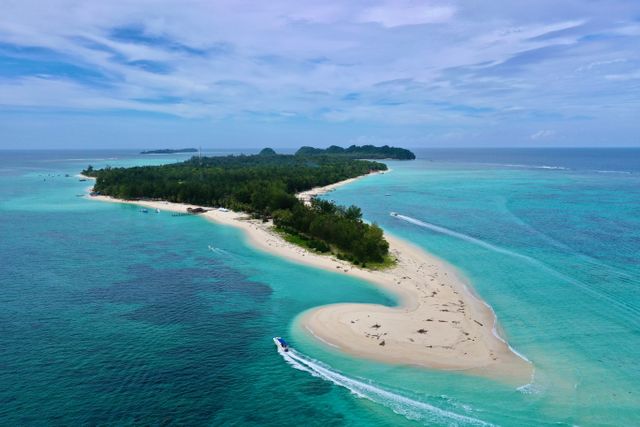
Of the East Malaysia islands covered here, Mantanani is the easiest to reach from a major city. It sits off the northwest coast of Sabah, reached by a two-hour drive from Kota Kinabalu to the jetty at Kampung Kuala Abai in Kota Belud, followed by roughly an hour by speedboat. The payoff is water clear enough that snorkelers regularly describe it as swimming inside an aquarium: living coral reefs, clownfish weaving through anemones, and finger corals in colors that don’t survive most camera compression.
Diving, kayaking, and fishing round out the island’s short list of things to do, which is exactly the point. There isn’t a strip of souvenir shops or a queue for a jet ski.
Sabah Tourism Board lists JSK Mantanani Island Resort as the main overnight option for anyone who wants more than a day trip.
Pulau Tiga: The Original Survivor Island
Pulau Tiga has a stranger claim to fame than most quiet islands: it hosted the first season of the American reality show Survivor back in 2000, and the “Survivor Island” welcome sign is still the first thing arriving boats see. Beyond the trivia, the island’s real draw is a bubbling mud volcano reached via a one kilometre jungle trail, where natural gas escaping underground keeps a grey pool in constant motion. The mud is thick enough that most visitors end up crawling across it rather than wading through, which is somehow part of the appeal.
Speedboats run the roughly 30-minute crossing from the jetty at Kuala Penyu, about 18 kilometres from the island itself. Pulau Tiga Resort and the privately run Borneo Eagle Resort both offer overnight stays for travelers who want to catch the mud volcano without the day-trip rush. The island drew over 24,000 visitors in 2019 before the pandemic cut that number sharply, and among East Malaysia islands, it’s still climbing back rather than overflowing.
Talang-Satang: Sarawak’s Turtle Sanctuary
Talang-Satang National Park, reachable by boat from Kuching or Sematan, protects a cluster of small islands that serve as one of Sarawak’s most important nesting grounds for green and hawksbill turtles. According to the Sarawak Tourism Board, access is deliberately limited, with permits required for some of the islands, and the nesting season runs roughly May through September, so travelers planning a visit for the turtles specifically should build the trip around that window rather than the other way around.
Outside of turtle season, the appeal shifts to snorkeling and diving around the surrounding reefs, and to simply having a beach that isn’t shared with anyone else’s tour group. Our Malaysia Day 2026 Kuching guide covers getting to the Kuching side of Sarawak in more detail, including onward transport to jetties like Sematan.
Getting There From Indonesia and India
For Indonesian travelers, Jakarta to Kota Kinabalu is already a direct route on multiple booking platforms, and the AirAsia connection from Pontianak into Kuching (covered in our Malaysia Day 2026 Kuching guide) makes Sarawak an easy add-on for anyone already routing through Borneo to reach these East Malaysia islands. Neither city requires a Kuala Lumpur stopover first.
Indian travelers currently have a longer road. There’s no direct flight yet between any Indian city and Kota Kinabalu, so the standard routing is via Kuala Lumpur, Singapore, or Brunei, adding real time to the journey. That said, the gap is being actively discussed: Sabah’s tourism board has been in talks with IndiGo about launching direct connectivity from cities including Mumbai, Bengaluru, Delhi, and Hyderabad, and Sabah recorded 3,802 Indian arrivals in just the first four months of 2026, growth that’s happening despite the lack of a direct route rather than because of one.
Until that changes, the Kuala Lumpur connection remains the practical way in for anyone planning a trip to these East Malaysia islands, and it’s also where your Malaysia Digital Arrival Card gets submitted before you ever set foot in Borneo.
Before You Book: A Note on Safety Standards
Sabah’s state government has said it plans to tighten “monitoring and enforcement” of safety standards across tourist accommodation and high-risk activities, following renewed scrutiny of licensing at coastal resorts this September. Nothing here means these particular East Malaysia islands carry unusual risk, but it’s a reasonable moment to apply the standard travel habit of booking through a licensed operator or a resort with a verifiable track record, rather than the cheapest boat transfer someone offers on the jetty. It costs nothing extra, and it applies equally regardless of which island you pick.
Quick Checklist for Visiting East Malaysia Islands
- Submit your Malaysia Digital Arrival Card within three days of arrival, once, no matter which airport you land at first
- Expect a separate passport check at the Kota Kinabalu or Kuching airport even if you already cleared immigration in Kuala Lumpur
- Book Mantanani trips through the Kota Belud jetty; allow a half day each way
- Time a Talang-Satang visit for May through September if turtle nesting is the goal
- Confirm your resort or boat operator is licensed, especially for overnight island stays
- Build in a buffer day; inter-island boat schedules shift with weather more often than flight schedules do
Frequently Asked Questions
Do I need a separate visa for Sabah or Sarawak? No. Your Malaysia visa or visa-free entry, along with your Malaysia Digital Arrival Card, covers the whole country. What changes when visiting East Malaysia islands is an additional passport check at the state border, not a new visa requirement.
Can I visit these islands as a day trip from Kota Kinabalu or Kuching? Mantanani and Pulau Tiga are both commonly done as long day trips, though an overnight stay gives you more time in the water without rushing the return crossing. Talang-Satang’s limited permits mean checking availability first is a good idea, rather than assuming a same-day return.
Is the mud volcano on Pulau Tiga safe to enter? Yes, it’s a regular, supervised part of the island visit, though the mud is dense enough that most visitors end up crawling rather than swimming through it.
Why isn’t this covered in the usual “best islands in Malaysia” lists? Most of those lists are built around Langkawi, Penang, and the Perhentian and Redang islands off the peninsula, all of which are easier to reach without a domestic connection. East Malaysia islands require an extra flight and, as covered above, an extra checkpoint, so they tend to get left off general roundups aimed at first-time visitors.
Before You Fly
None of this is a reason to avoid East Malaysia. If anything, the extra step at immigration is a small price for beaches that still feel undiscovered in a country expecting well over 30 million visitors this year. Submit your Malaysia Digital Arrival Card before you go, expect the state-level passport check once you land in Sabah or Sarawak, and the rest is just picking which of these East Malaysia islands’ photos you’d rather be the one taking.
Further Reading
Sarawak Tourism Board: Talang-Satang National Park
Sabah Tourism Board: Mantanani Island