
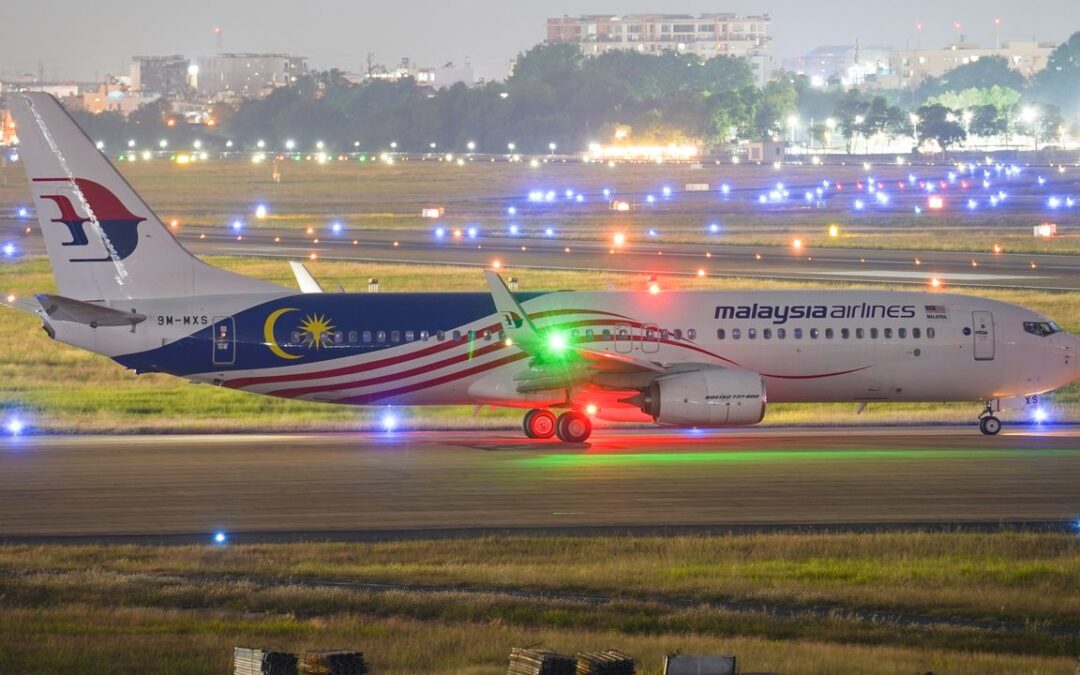
If you’re flying into Malaysia this month, immigration might look different from your last trip. Malaysia has spent the past two years replacing its 20-year-old immigration backend with a new system called MyNIISe, and September 2026 is when it reaches full nationwide coverage. Before you assume this means an instant, effortless arrival, here’s exactly what changed, what didn’t, and who actually benefits from the headline-grabbing “4 to 5 second” clearance time.
What Is MyNIISe
MyNIISe stands for the National Integrated Immigration System, built by HeiTech Padu Berhad for Malaysia’s Immigration Department under a contract worth roughly RM1.05 billion. It replaces MyIMMs, the system Malaysia had relied on for two decades, and handles everything from visa management to identification and border control rather than just gate clearance.
The rollout has happened in stages. The flagship airports, KLIA Terminal 1 and 2 and Penang International Airport, came online in March 2026, with Kota Kinabalu and Kuching following two weeks later. September 2026 is the target for the system to be running across all 125 of Malaysia’s international entry points, land, sea and air combined. Home Minister Saifuddin Nasution Ismail called it a “game changer” when he announced the system in May, promising passenger inspection times of four to five seconds once it’s fully operational.
The transition hasn’t been entirely smooth. Rolling out biometric infrastructure across 125 entry points is a large undertaking, and the system experienced a couple of outages during the initial March and April deployment at the flagship airports, the kind of teething problems that tend to come with infrastructure this size. By September, with nationwide coverage as the goal, most of those early issues appear to have settled, though it makes sense to plan for extra time at immigration on your first trip through the new system rather than assuming a flawless five-second experience from day one.
Three Ways Through Immigration Now
Where the old system had one path, passport scan followed by manual checks, the new setup offers three:
- Facial recognition at the gate, matched against your biometric record.
- QR code generated through the MyNIISe app, held up to a scanner.
- Passport chip scan, the same method that’s always worked, still available and not going anywhere.
None of the three is mandatory. If the app or the facial recognition gate gives you trouble, you can still walk through on your passport alone.
Does This Change Your MDAC?
No. The Malaysia Digital Arrival Card is still required for nearly all foreign visitors, and MyNIISe is designed to work with the MDAC rather than replace it. You still submit your MDAC online within three days of arrival, and that submission is what links your travel and passport details to your profile in the new system before you even land. We cover the full MDAC process, including the exact fields and common mistakes, in our main MDAC guide.
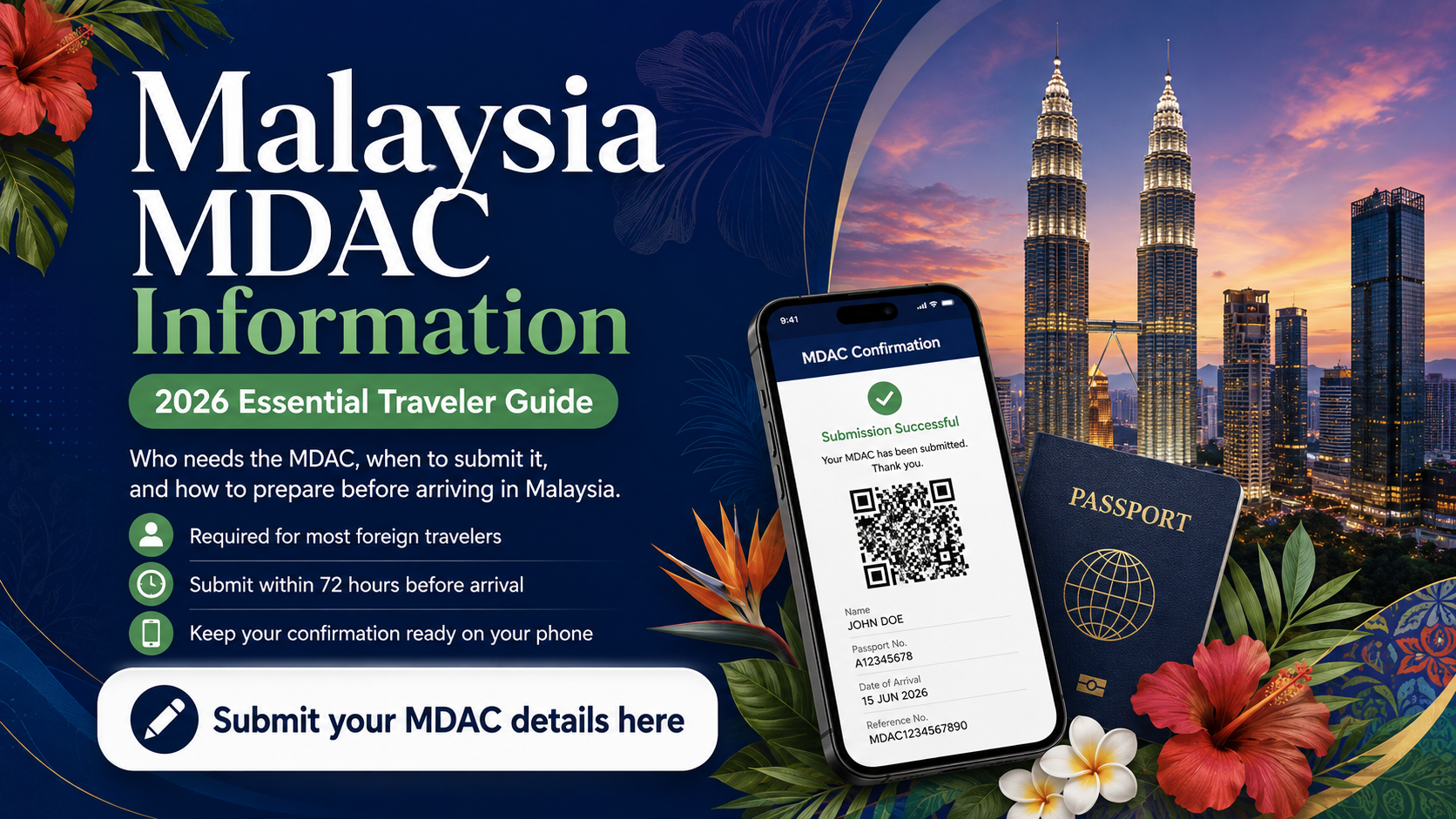
First-time visitors also still need a staffed counter on their first trip, regardless of the new system, so your biometrics can be captured for future use. The speed gains show up more on your second and subsequent visits, once your face and passport are already on file.
The Part Most Coverage Leaves Out: Who Actually Gets Autogate
This is the detail worth knowing if you’re travelling from Indonesia or India. The four to five second clearance applies to autogate lanes, and autogate access in Malaysia is still limited by nationality, a list that currently covers 63 countries. It’s a broad list, most of Europe, the Gulf states, Australia, New Zealand, mainland China, Japan, South Korea, Brunei, Singapore and others, but neither India nor Indonesia is on it as of this writing.
That doesn’t mean the new system has nothing for you. Facial recognition and the faster backend processing are part of the wider system upgrade at staffed counters too, and the whole point of the new infrastructure is shorter queues across the board, not just at autogate lanes. It does mean you shouldn’t expect the fully self-service, tap-and-go experience some headlines describe unless your passport is on the eligible list. Malaysia has expanded this list before without much fanfare, so check the official eligibility checker close to your travel date rather than relying on last year’s blog post, this one included.
What This Actually Means If You’re Flying From Indonesia or India
In practice, your arrival process looks the same regardless: submit your MDAC within the usual three-day window, bring a passport valid for at least six months, and expect to go through a staffed immigration counter, which should still be faster than before thanks to the new backend even if you’re not using a self-service autogate lane. Nothing about your visa status changes. Indonesian passport holders keep their ASEAN visa-free access, and Indian passport holders keep the 30-day visa-free entry that’s been extended through the end of 2026. It sits underneath all of that as infrastructure, not as a new entry requirement.
Should You Bother Installing the MyNIISe App?
Probably not yet, at least not as your main plan. The app has had a rough start, sitting around 1.7 to 1.8 stars in user reviews, with NFC passport scanning frequently failing to read correctly. If you download it and it doesn’t work smoothly at the gate, the passport lane is the reliable fallback and always has been. The app is more built around Malaysian citizens and permanent residents authenticating through MyDigital ID for departures than it is around inbound foreign tourists, so there’s little upside in troubleshooting it mid-trip when your MDAC and passport already get you through.
The Bigger Plan Behind MyNIISe
September 2026’s nationwide rollout is one phase of a longer project. Malaysia’s Immigration Department has stated a target of 635 automated gates installed across the country by 2028, alongside continued biometric integration at land crossings like the Johor-Singapore checkpoints, which have been testing passport-free clearance separately. MyNIISe is the backend that all of this plugs into, so expect the list of eligible nationalities and available checkpoints to keep shifting over the next two years rather than staying fixed at what’s true in September 2026.
For context on scale, the older 2024 autogate expansion that set the current 63-country list was itself a major jump from where Malaysia started, and it happened well before MyNIISe existed as a unified system. The infrastructure keeps getting built out faster than the eligibility rules keep pace, so check the live list rather than trusting a fixed number in any article, including this one.
Quick Checklist Before You Fly
- Submit your MDAC within three days of arrival, exactly as before. That hasn’t changed.
- Check the official autogate eligibility checker if you’re curious whether your passport qualifies for self-service lanes. As of now, Indonesian and Indian passports are not on the list.
- Don’t rely on the MyNIISe app as your primary plan. Keep your physical passport ready regardless.
- Expect a staffed counter on your first Malaysia trip either way, since biometric enrolment happens there.
- Build in a little patience during your first encounter with the new system. Transition periods for infrastructure this size rarely go perfectly.
Frequently Asked Questions
Do I still need to submit the MDAC with MyNIISe in place? Yes. MyNIISe integrates with the Malaysia Digital Arrival Card rather than replacing it. Submit it online within three days of your arrival, the same as before.
Can Indonesian or Indian travellers use Malaysia’s autogate lanes? Not currently. Autogate access is limited to passport holders from 63 specific countries, and neither India nor Indonesia is on that list as of September 2026. Both groups still go through staffed immigration counters, which benefit from the same backend speed improvements.
What happened to Malaysia’s old immigration system? MyNIISe replaced MyIMMs, which had run for roughly two decades. The new system was built by HeiTech Padu Berhad under a contract worth around RM1.05 billion.
Is the MyNIISe app required for tourists? No. It’s optional, and current app store reviews sit around 1.7 to 1.8 stars due to NFC scanning issues. The standard passport lane works exactly as it always has.
When did MyNIISe become fully operational nationwide? The main airports, KLIA, Penang, Kota Kinabalu and Kuching, came online between March and April 2026. September 2026 is the target for coverage across all 125 of Malaysia’s entry points.
Before You Fly
MyNIISe is a genuine upgrade to Malaysia’s immigration infrastructure, but it’s not the universal instant-clearance system some headlines suggest. If your passport isn’t on the 63-country autogate list, and Indonesian and Indian passports currently aren’t, your practical experience is still built around the same MDAC submission and staffed counter process you’d have used a year ago, just running on faster backend technology. Submit your MDAC on time, keep your passport handy, and treat any app-based shortcut as a bonus rather than a plan.